What Are Sectional Garage Doors?
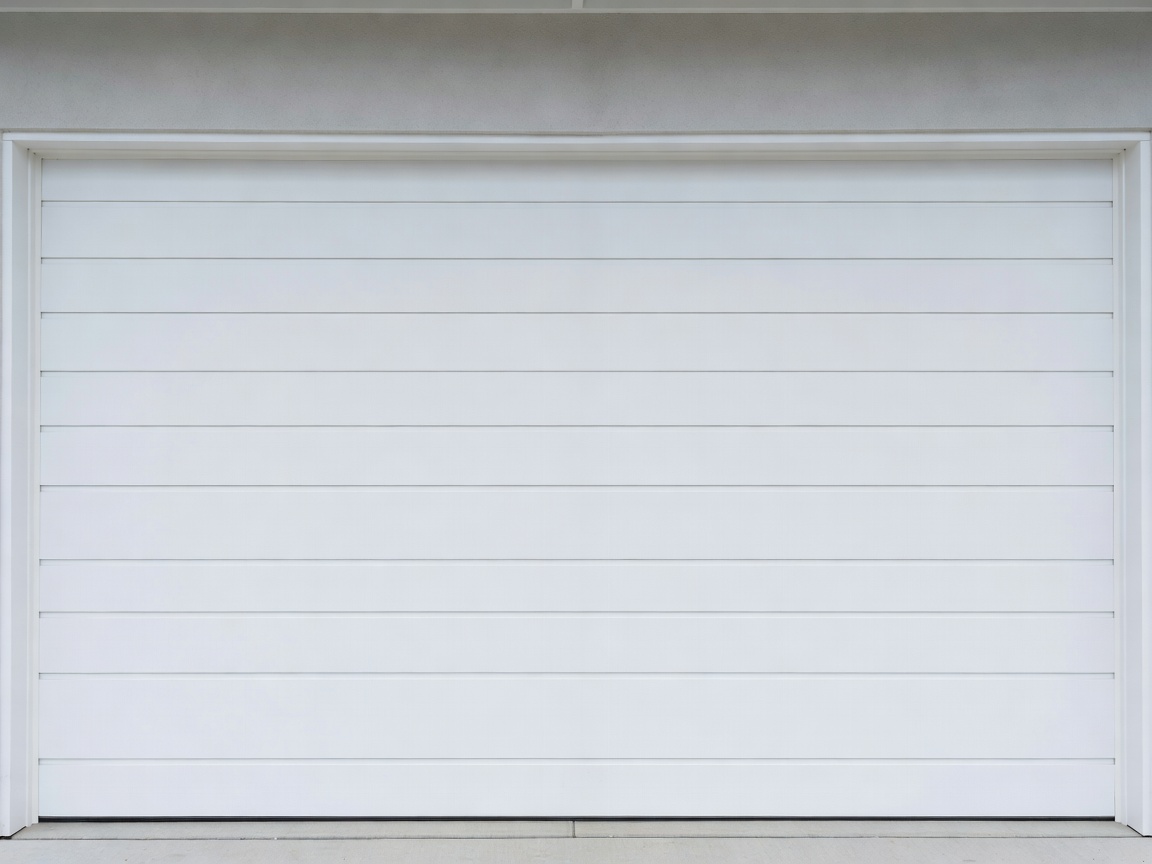
Sectional garage doors represent one of the most structurally robust and thermally efficient closure options for residential garages. Unlike a traditional door constructed from a single solid plane, a sectional door is manufactured from multiple horizontal panels linked together by heavy-duty hinges. This segmented design allows the door to follow a curved track, moving vertically upwards before resting horizontally against the garage ceiling when fully open.
How Panel Operation Works
The core advantage of the sectional mechanism is its vertical operation. As the door opens, each panel independently navigates the curve of the track. This means the door does not swing outward into the driveway at any point during its cycle. For properties in Sheffield with short driveways, or for households dealing with large vehicles parked closely to the garage facade, this vertical lift is highly advantageous, allowing vehicles to be parked directly up to the door face without impeding access.
Insulation Considerations
One of the primary reasons homeowners consider sectional systems is their capacity for insulation. The individual panels are frequently constructed as double-skinned steel sections filled with high-density polyurethane foam. This structure provides significant thermal resistance. If the garage is structurally integrated into the main house—perhaps situated beneath a bedroom or adjacent to a living space—a well-insulated sectional door helps maintain thermal boundaries, potentially reducing draughts and heat loss compared to uninsulated single-skin doors.
Space and Dimensional Considerations
While sectional doors conserve driveway space, they have specific internal requirements that must be assessed during the planning phase:
- Headroom: Sufficient vertical space above the structural opening is necessary to accommodate the curved track radius and the spring counterbalance mechanism (often torsion springs mounted above the lintel).
- Backroom: The horizontal tracks extend into the garage along the ceiling. The ceiling space must be clear of deep light fittings, structural beams, or loft hatches to allow the tracks and the door panels to retract fully.
- Side Room: Moderate clearance on the internal side walls is required to mount the vertical tracking framework.
Appearance and Automation
Aesthetically, sectional doors offer substantial versatility. The panels can be profiled with horizontal ribs, geometric cassettes, or left entirely flush for a minimalist architectural appearance. Various surface textures, from smooth silks to embossed woodgrains, are available to complement differing property styles.
While manual operation is possible, sectional doors are inherently suited to automation. An electric ceiling-mounted operator integrates seamlessly with the tracking geometry, providing smooth, controlled lifting and closing. Automated sectional systems also inherently act as a physical lock when closed, as the motor linkage holds the door firmly within its tracks.
Installation Context
Because they are fitted behind the structural opening rather than between it, sectional doors generally maximize the drive-through width of the garage. Installation is methodical, requiring precise leveling of the vertical tracks to prevent binding as the articulated panels travel upward. The incorporation of robust rubber weather seals at the base, sides, and top header profile further enhances their suitability for keeping garages dry and draft-free.